Everyday oral health

General dentistry

From a routine examination to a tooth that needs attention, start with an assessment of your oral health.
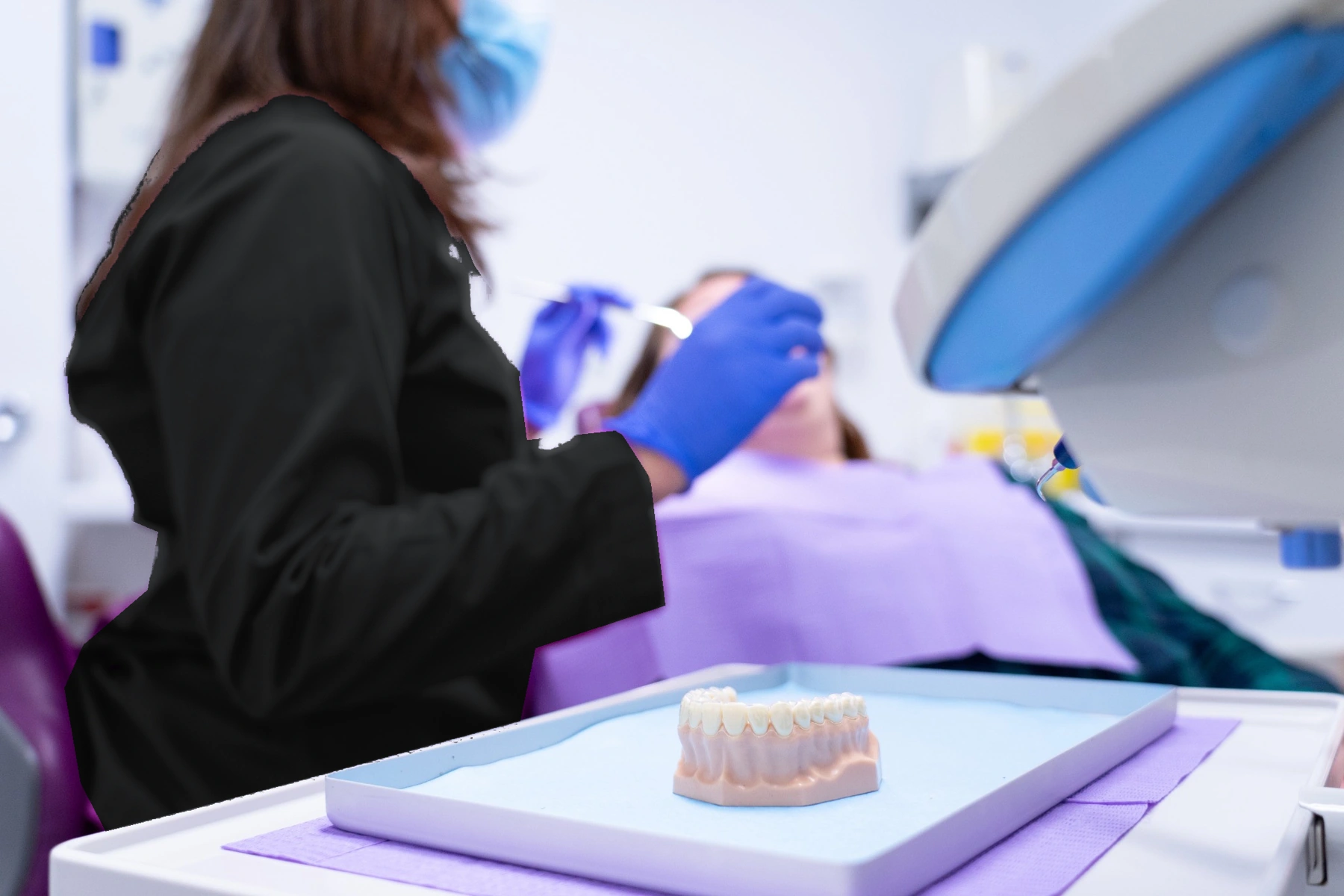
Illustrative general dental care, not a Lakes Dental patient or practice premises.

A starting point for your dental care.

Lakes Dental Centre offers general dentistry, including examinations, professional cleaning and tooth-coloured fillings. We also discuss root canal treatment, extractions and dentures where appropriate. Your dentist can explain the options relevant to your situation and the stages of care.

What to discuss at your visit

  • Your dental history and any current concerns
  • Your examination findings and available options
  • Fees, timing and any follow-up visits
  • Questions about your daily oral care

Every person’s needs are different. A dental assessment is required to discuss suitability, benefits, risks, alternatives and costs. This page does not replace advice from your treating practitioner.

A review of your mouth—and what matters to you.

A dental visit is a chance to discuss changes you have noticed, your dental history and any concerns about treatment. We assess your teeth and gums, explain what we find and discuss whether care or further investigation is needed. An examination does not automatically mean you need treatment.

Your plan may include practical brushing and cleaning advice, monitoring an area, or discussing treatment options. Ask which issues need attention now, which can be reviewed, what alternatives are available and what each option will cost. The timing of future visits is guided by your oral health and risk factors.
Your care, explained

General dentistry and preventive care

A good treatment plan starts with a good discussion. Whether you are keeping up with regular visits or returning after a long break, tell us what matters to you, what feels uncomfortable and what you would like to understand. We can work through the priorities together.

Your check-up, explained

A dental review looks beyond a single tooth. We assess your teeth, gums and mouth, discuss symptoms and review relevant medical information. Please bring an up-to-date medicines list and let us know about changes in your health. X-rays are recommended when they are clinically useful, rather than simply because a visit is due.

Prevention that fits your routine

Small changes can make daily care easier. We can talk through brushing, cleaning between teeth, food and drink habits, dry mouth and sensitivity. Your next review is based on your individual needs. If you have existing dental work or a history of gum problems, your maintenance plan may differ from another family member’s.

Repairing a tooth with a filling

A filling can restore an area affected by decay or damage. Tooth-coloured composite is one option, but the choice depends on the tooth, the size and position of the repair and the forces on it. We will explain what we find and why a particular approach may be appropriate before treatment begins.

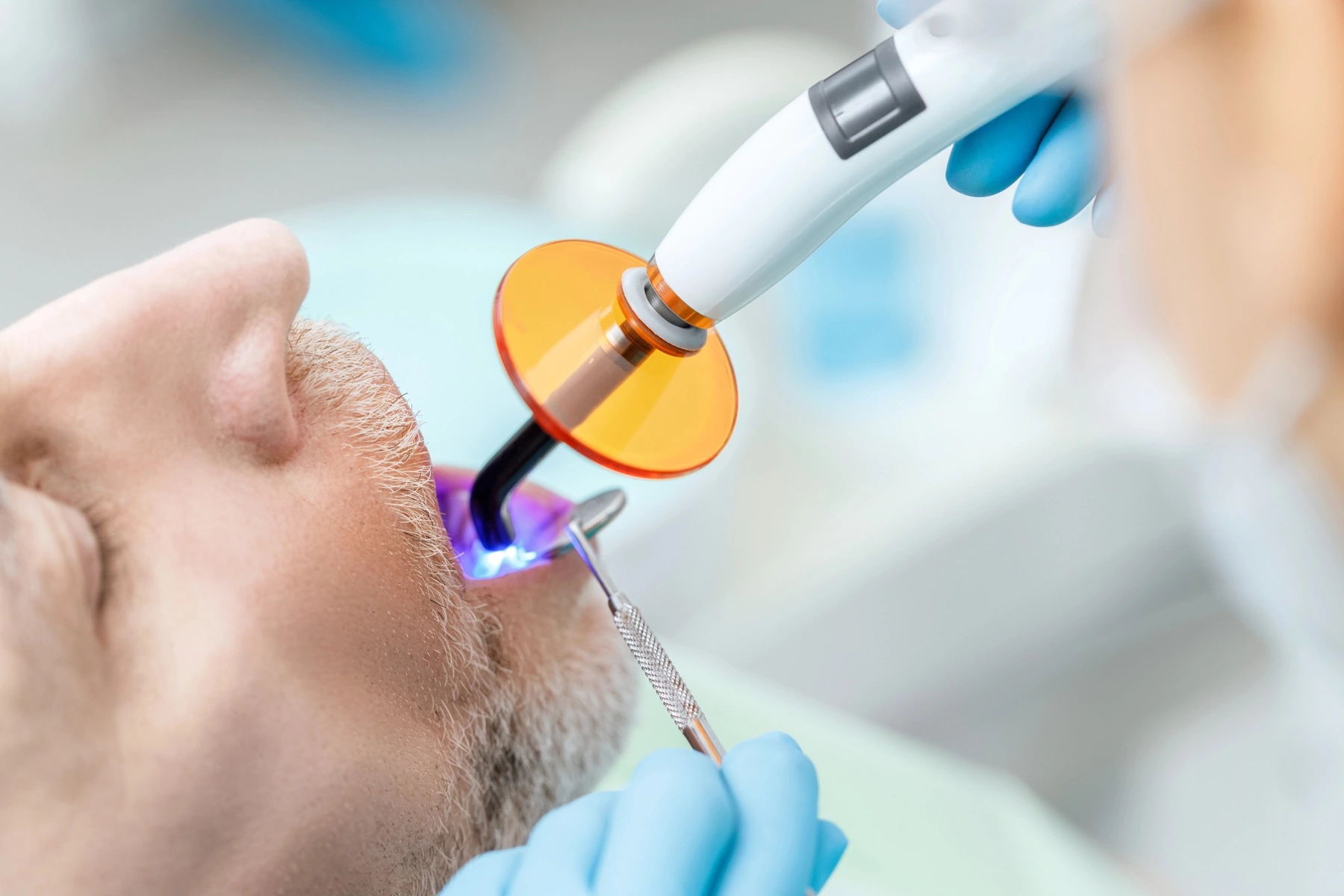
Illustrative curing light used during a restoration.

When a filling may not be enough

A large repair is not always the right answer for a heavily weakened tooth. Depending on the assessment, an onlay, crown or another treatment may be discussed. The aim is to consider the condition of the whole tooth, not just cover the visible problem. Ask about alternatives, likely maintenance, costs and what may happen if treatment is delayed.

Keeping repairs comfortable

Let us know if a new filling feels too high when you bite, or if sensitivity is persistent or worsening. A broken or lost filling should be checked rather than ignored. Continue cleaning the surrounding tooth and gum using the instructions given at your appointment; a repaired tooth still needs protection from further decay.

Planning the next step

You do not need to arrive with a treatment decision already made. We can explain the findings in plain language and discuss which issues need attention first. Tell us if you are anxious or have had a difficult previous experience so we can include that in the conversation.

Do I need treatment if nothing hurts?

Some problems are not painful in their early stages. An examination helps identify what, if anything, needs attention; a check-up does not automatically mean treatment is required.

Can I ask about different options?

Yes. Ask what each option involves, its limitations, cost and ongoing care, including whether monitoring is appropriate.

Understanding other treatment options.

Understanding root canal treatment

Root canal treatment is an option that may help retain a tooth when the tissue inside it is infected or damaged. An assessment is needed to understand the cause of symptoms, whether the tooth can be restored and which alternatives are appropriate. We can explain the findings and discuss the treatment options.

Ask about the stages of care, the final restoration and follow-up. A quiet tooth is not necessarily a healed tooth, and a temporary repair is not always the final restoration. If you have increasing pain or swelling, seek dental advice rather than waiting for a routine appointment.

When a tooth may need removal

Sometimes a tooth cannot be predictably maintained, but removal should follow an assessment and discussion of alternatives. We can explain why an extraction may be considered and the steps involved. Tell us about your medicines and medical history before any procedure; do not change prescribed medicines yourself.

Recovery instructions depend on the procedure and your health. Follow the treating clinician’s written advice about cleaning, food, activity and medicines. Ask who to contact if you are concerned during recovery.

Removable tooth-replacement options

A removable denture may replace some or all missing teeth. The right option depends on the remaining teeth, gums, support and your priorities. We can discuss replacement choices and plan care around your needs, rather than assume implants are the only option.

Ask about comfort, adjustments, cleaning and ongoing reviews. A denture that rubs or no longer fits needs assessment. Care instructions should match its materials and design, including whether it has implant attachments.

Your next step

Let’s start with a conversation.

Choose online booking through Healthengine, or call the practice to discuss your needs and available times.

Book a visit