
Replacing a complete arch of teeth?
Explore full-arch implant options, including the meaning of All-on-4 and All-on-X, and discuss an individual treatment plan.
Full-arch implant care in South LakeStart with your needs. Understand your options.
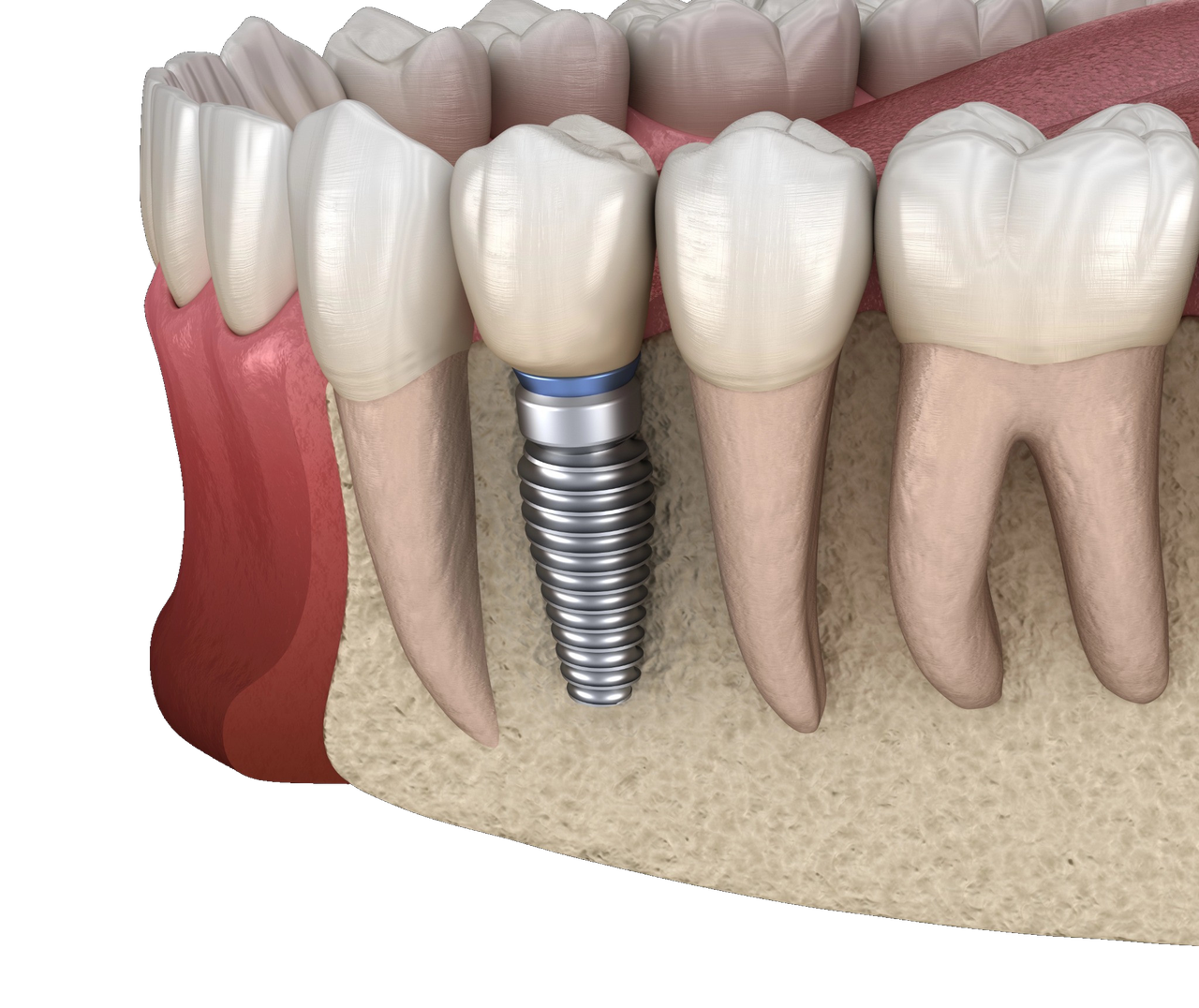
Dental implants replace a missing tooth root and can support a crown, bridge or denture. They are one option, not the right choice for everyone. A discussion about your concerns, oral health and priorities helps establish which options are worth considering. Your dentist will clarify who would provide each stage of care and how your treatment will be planned.
What to discuss at your visit
- Your preferences and oral health
- Available replacement options and their limitations
- Whether specialist assessment is appropriate
- Who would provide each stage of care and its cost
Every person’s needs are different. A dental assessment is required to discuss suitability, benefits, risks, alternatives and costs. This page does not replace advice from your treating practitioner.
Is an implant suitable for me?
An assessment considers your gums and jawbone, remaining teeth, medical history and medicines. Your preferences and ability to maintain ongoing care also matter. You may need treatment for existing dental problems before implant treatment can be considered.
Alternatives may include a fixed bridge or removable denture. Depending on your situation, choosing not to replace a tooth may also be discussed. Ask how the options compare in function, maintenance, treatment time and cost.
What does treatment involve?
- Discussion and assessment. Understand your goals, examine your oral health and discuss any imaging or further assessment needed.
- A plan you understand. Review suitable options, benefits, risks, fees and who will provide each stage.
- Treatment and healing. Implant care usually involves several appointments, including surgery, healing and fitting the replacement tooth or teeth. Stages and timing vary.
- Review and ongoing maintenance. Follow-up and home care remain important after the replacement teeth are fitted.
Benefits, risks and limitations.
Implants can provide support for replacement teeth, but treatment involves surgery and there is no guarantee of success. Pain, swelling or bleeding can occur. Complications may include infection, injury to nerves or nearby teeth, and sinus problems. An implant can fail to integrate, and the implant or replacement teeth may need further treatment.
Your dentist will explain the risks relevant to you, likely recovery, alternatives and the costs of treatment and future maintenance. Ask any questions you need before deciding.
Looking after implants and gums.
Implants need ongoing care. Brush twice daily, clean between teeth and around implants as advised, and attend professional reviews tailored to your needs. Ask your dental team to demonstrate cleaning around your restoration and discuss when to seek review.
Further patient information: healthdirect: dental implants · Australian and New Zealand Academy of Prosthodontists.
Planning the position. Considering the whole picture.
Digital scans can help us plan treatment. Where 3D X-rays are clinically indicated, we arrange imaging with an external provider. The scans and imaging can help plan the position of an implant in relation to the replacement tooth and surrounding anatomy. A surgical guide may help transfer that plan to treatment.
Software and guides assist the clinician; they do not remove the risks of surgery or guarantee accuracy or an outcome. Your dentist will explain the planned approach, its limitations, who will provide each stage and the care involved.
Explore a manufacturer’s guided-surgery explanationQuestions before deciding
Replacing a tooth is a decision about function, appearance and ongoing care. Ask whether the remaining teeth can be preserved, which replacement options suit the space, and what maintenance each involves.
Before proceeding, discuss the full sequence of appointments, healing stages, costs and who will provide each part of treatment.